Open Discussion Forum

JSMCentral Open Discussion forum, long-form chat room, and more. Uncover your research problems a solution by discussing on this most happening first ever scientific discussion forum.

JSM HUB

JSMCentral understand the importance of latest research published and thus we bring all the publications published so far under a single roof, JSM HUB with advanced one click search option to help you find your topic of interest.

Journals

JSMCentral always updated with the current trends to educate scientific community

Latest Articles

Article Image 1

Trichoblastic Carcinoma: A Case Report and Literature Review of an Extremely Rare and Diagnostically Challenging Cutaneous Malignancy of the Hair Follicle

Trichoblastic carcinoma (TBC) is an extremely rare cutaneous malignancy of the hair follicle, first described in the literature in 1962 as a “primary neoplasm of the hair matrix” (1). Besides its rarity, TBC shares many clinical and histologic characteristics with basal cell carcinoma (BCC), making the diagnosis of TBC difficult to make. Many authors have described TBC as a malignant transformation of a benign trichoblastoma (TB), but a universal understanding of the pathophysiological origin of TBC has not been established (2, 3). We present a case of this uncommon tumor with the hope that this report will add to the small repertoire of available research, and aid clinicians in diagnosis and management of this rare tumor.

Chelsea Azevedo*, Joseph Varney, Karina Leyva, Matthew White, Nicole DiTommaso, Alexandria Kim, Emily Alimia, Cameron Volpe, and Mohamed Aziz


Article Image 1

Cytomegalovirus Infection and Multiple Venous Thrombosis: A Rare Complication of a Common Infection

Background: Cytomegalovirus (CMV) is a common cause of viral infection. In immunocompetent patients, CMV infection is usually mild or asymptomatic and does not require any treatment. However, in some patients systemic manifestations can occur.

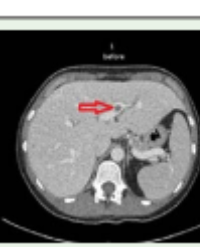
Case presentation: We report the case of a 40-year-old woman with a medical history of Graves’ disease and papilloma virus infection presenting with swollen ankles associated with fever and pain in the lower limbs for several weeks. Clinical examination revealed bilateral in duration of the calf. Laboratory tests showed elevated liver enzymes and systemic inflammation. Exploration by ultrasound of lower limbs and CT scan of the abdomen demonstrated superficial venous thrombosis of the lower limbs and thrombosis of the left hepatic vein. A thorough evaluation for hypercoagulability and septic states were negative. Finally, serological conversion for CMV was demonstrated with positive IgM and IgG with negative prior testing done seven years earlier. The patient was given an anticoagulation treatment and oral contraception was discontinued. The patient improved clinically and biologically after few weeks.

Conclusion: We describe a rare case of sub-acute CMV primary infection in an immunocompetent patient complicated with multiple thromboses. This case illustrates a rare complication of a common infection in order to raise awareness of this entity.

Gauthier Molls*, Valérie Gangji, and Muhammad S Soyfoo


Article Image 1

Using Generalizability Theory (G-Theory) to Examine the Reliability of Body Composition Measurement

Purpose: Adequate reliability of Body Composition (BC) assessment is a requirement before such measures can be considered valid. Many studies to date have only examined a single source of measurement error such as that from trials (test-retest). Generalizability Theory (G-theory) is a statistical technique that allows for the examination of different sources of measurement error simultaneously in a single analysis. Therefore, the aim of this study was to examine the different sources of error seen in the assessment of BC. A secondary purpose was to determine the appropriate number of facet conditions required to gain a reliable BC measure.

Methods: This measurement study included 38 participants who had been assessed on two different occasions (in the same week) and on each of four different BC field methods: Percent Body Fat (PBF) by Skinfold Technique (SF), Waist Circumference (WC), Body Mass Index (BMI) and PBF by Hand-Held Bioelectrical Impedance (HH). Two different G-theory designs were used in this research. First, a two-facet crossed p×t×m design was analyzed treating all facets as random. Then, the same design was performed treating BC method as a fixed facet. In both designs, a Generalizability Study (G-study) and Decision Study (D-study) were conducted. Three different software packages were used to ensure consistent and valid results (GENOVA, SPSS macro, and SAS GLM).

Results: The completely random design showed the largest variance component for persons (p) (57.8%). Variance components for both trials (t) and BC method (m) were negligible. However, the interaction between person and method (p×m) was substantial (38.6%). D-study results indicated reliable BC scores for measurement designs administered once using three different methods (G=.803). The mixed design, averaging over BC method, showed majority of variance due to persons (98.5%) and each of the four BC methods showed reliable scores with a single trial (G’s>.945).

Conclusion: Results from this G-theory research indicate that the equivalence reliability of commonly administered BC assessments may be inadequate. Although different BC assessments individually are reliable, for dependable BC trait generalization to the universe, a minimum of three different methods administered once may be required.

Peter D Hart1,2,3*


Article Image 1

A Long Rectal Duplication Cyst in an Adult Cadaver: A Rare Anatomical Variation

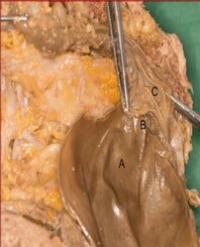
This report describes a long rectal duplication cyst found during routine dissection of an 82 year old male cadaver. The cyst was tubular, blind-ending and non-communicating. It emerged from the posterior rectal wall approximately 13cm superior to the anal verge and was 12cm in length. Long duplication cysts such as that described may cause complications such as perforation, bleeding and chronic pain. Hence duplication cysts should form part of the differential work up in a clinical setting.

Aneesh Dave*, Rohan Dalal, Bardia Aryaie and Bahadir Cem Demirdes


Article Image 1

High Prevalence and Clinical Burden of Atrial Fibrillation among Hypertensive Patients in Central Sudan: A Hospital-Based Cross-Sectional Study

Background: Atrial Fibrillation (AF), the most common sustained cardiac arrhythmia, significantly increases the risk of stroke, heart failure, and mortality. Hypertension (HTN) is a leading risk factor for AF, with hypertensive heart disease being the most common underlying disorder in AF patients. Despite the global rise in AF prevalence, data on its burden and correlates among hypertensive patients in Sudan remain limited. This study aimed to assess the burden and correlates of AF among hypertensive patients attending Al Mek Nimr University Hospital in 2024.

Materials and Methods: A descriptive cross-sectional study was conducted from July to December 2024, enrolling 133 hypertensive patients. Participants were selected using a consecutive sampling technique, with a sample size calculated at a 95% confidence level and a 5% margin of error, assuming an AF prevalence of 10%. Data were collected through structured questionnaires administered via direct interviews. The questionnaire included demographic information, hypertension history, clinical symptoms, comorbidities, and medication use. AF diagnosis was confirmed through ECG and/or medical records. Data were analyzed using SPSS version 25.0, with descriptive statistics, Chi-square tests, and t-tests used to assess associations.

Results: The prevalence of AF among hypertensive patients was 19.5%, with higher rates observed in older adults (37.5% in patients > 75 years) and women (23.2%). Common symptoms of AF included easy fatigue (65.4%) and palpitations (50.0%) (P = 0.018). Additionally, 46.2% of AF patients reported a history of stroke (P = 0.002), and 42.3% reported loss of independence in performing daily activities (P = 0.039), reflecting the significant burden of AF in this population. Comorbidities such as diabetes (34.6%) and obesity (26.9%) were present among AF patients but did not show statistically significant associations. Although 65.4% of AF patients were on anticoagulants, a notable proportion (34.6%) remained untreated, likely due to recent diagnosis, acute stroke presentation, or contraindications, highlighting a gap in thromboembolic risk management. Diuretics were more commonly used in AF patients (38.5%) compared to non-AF patients (P = 0.003), while the use of RAAS inhibitors (ACEIs and ARBs) was low (10.5% and 35.3%, respectively).

Conclusion: This study highlights the high burden of AF among hypertensive patients, especially in older individuals. The strong associations with stroke and functional decline underscore the need for systematic AF screening, optimized anticoagulation, and increased use of RAAS inhibitors in this high-risk population.

Tasneem Elteyeb Hadaby Elameen1, Alaa Elteyeb Hadabay Elameen1, Mojahed babker Mohamed saeid1, Abdelbagi S Ali2, Tibyan Abd Almajed Altaher3 and Ghanem Mohammed Mahjaf4*


Article Image 1

Transplant Renal Artery Stenosis Following Ex vivo Renal Artery Endarterectomy: Report on Two Cases

Introduction: Transplant renal artery stenosis (TRAS) is the most common vascular complication following kidney transplantation. Deceased donor kidneys exhibiting severe atherosclerosis involving the renal artery, if untreated, represent one cause of TRAS.

Methods: We report herein two cases of TRAS that occurred following back bench ex vivo eversion endarterectomy (EE) prior to deceased donor kidney transplantation (DDKT).

Results: Both patients presented in the first year following DDKT with worsening hypertension and one patient experienced acute kidney injury. Duplex ultrasonography was suspicious for markedly elevated renal artery velocities in the proximal to mid-renal artery segment with evidence for distal turbulence. Subsequent arteriography through an ipsilateral femoral approach confirmed severe TRAS that was successfully treated with balloon angioplasty and stenting. Both patients experienced improvements in blood pressure control, and one patient had resolution of acute kidney injury.

Conclusion: Ex vivo EE may be performed successfully as a rescue procedure to prevent nonuse of donor kidneys with severe intrinsic atherosclerosis. However, these patients may still be at risk for developing TRAS, possibly from a localized dissection occurring secondary to an intimal flap.

Rana Kumar, Arianna Cabrales, Giuseppe Orlando, Christopher Webb, Emily McCracken, Alan C. Farney, and Robert J. Stratta*


Article Image 1

Accidental Transplantation of a Deceased Donor Kidney with a Large Calculus: Case Review and Management

Historically, the presence of stones in a donor kidney has been a contraindication to kidney use for transplantation. However, favorable experiences transplanting living donor kidneys with isolated stones as well as successful management of de novo stone formation following living or deceased donor kidney transplantation have provided insights regarding the benefits and risks of this strategy. The limited supply of available donor kidneys has led to a reexamination of donor selection criteria to meet demand. This reevaluation is also influenced by medical advancements that have allowed for the safe management of allograft kidney stones without compromising outcomes. Herein we report the accidental transplantation of a kidney with a large pre-existing calculus from an otherwise acceptable deceased donor. Based on literature review and given the benefits of kidney transplantation versus dialysis in the setting of prolonged waiting times, expansion of the donor pool to include kidneys with large or multiple stones may be a feasible option to improve utilization and access without necessarily compromising subsequent outcomes.

Jigish B. Vyas1, Randy K. Casals2, Colin E. Kleinguetl2, Bradley M. Swinson3, Christopher J. Webb1, Alan C. Farney1 and Robert Stratta1*


Article Image 1

Risk Assessment of a Novel Arabinofuranosidase/ Xylanase Enzyme Combination Intended to be Used in Food Animals

T Although poultry production shows relatively high feed conversion efficiency compared to other livestock species, a substantial proportion of dietary nitrogen remains undigested and is excreted as manure, contributing to environmental nitrogen losses. Enzymes capable of degrading arabinoxylans, particularly xylanase and arabinofuranosidase, have therefore been extensively investigated for their ability to improve feed digestibility and animal performance. A novel enzyme combination comprising endo-1,4-β-xylanase and α-L-arabinofuranosidase, produced by fermentation of Talaromyces versatilis strains, was developed with the objective of optimizing zootechnical performance while reducing nitrogen excretion. Literature data and meta-analysis results demonstrate that xylanase supplementation improves body weight gain, feed conversion ratio, nutrient digestibility, and apparent metabolizable energy, while reducing digesta viscosity and increasing nitrogen digestibility. Consumer safety was evaluated through a standard battery of in vitro genotoxicity assays, including the bacterial reverse mutation test (OECD TG 471), an in vitro chromosome aberration assay in Chinese hamster V79 cells (OECD TG 473), and an in vitro micronucleus test in mouse lymphoma L5178Y cells (OECD TG 487). The enzyme combination was administered twice daily by oral gavage at dose levels up to approximately 1000 mg Total Organic Solids (TOS)/kg body weight/day. User and worker safety was assessed using validated in vitro skin and eye irritation models (OECD TG 439 and TG 492). In conclusion, the novel xylanase/arabinofuranosidase enzyme combination demonstrates a favorable safety profile for consumers and users, while offering significant potential benefits in terms of zootechnical performance and environmental nitrogen reduction.

Pascal Richez1* and Clémentine Hincelin2


Article Image 1

Protection by Resveratrol against DEHP-Induced Testicular Cellular Senescence is Mediated by Inhibiting PTEN Loss

Di(2-ethylhexyl) phthalate (DEHP) is recognized as an endocrine-disrupting compound and is widely adopted as a plasticizer. Evidence links its reproductive toxicity to the tumor suppressor PTEN, genomic stability is crucially maintained by DNA damage repair (DDR). PTEN loss promotes DNA damage accumulation and cellular senescence. Resveratrol (RES), a natural polyphenol, exhibits antioxidant and anti-inflammatory activities and shows protective potential for the male urogenital system. Nevertheless, the mechanisms associated with testicular senescence due to DEHP exposure and RES protection remain incompletely understood. This study employed in vivo and in vitro models, including cell viability assays, testosterone ELISA, cell cycle distribution analysis, senescence marker staining, Western blotting, and PTEN modulation. DEHP exposure significantly reduced testosterone levels in rat testis and TM3 cells, which was ameliorated by RES. DEHP/MEHP treatment upregulated senescence markers (β-Gal, p21, p16, γH2AX), downregulated PTEN and CDK2, and increased p-CHK2. These changes were reversed by RES. PTEN overexpression attenuated MEHP-induced senescence, G1 arrest, and testosterone reduction, while PTEN inhibition abolished RES protection. These findings elucidate the mechanism by which RES protects against DEHP-induced senescence via inhibiting PTEN loss.

Xinyu Yan1, Qing Tian1, Jiawei Xu1, Jiaxuan Ma1, Xiance Sun2, Jing Li3, Ningning Wang1, Xiaofeng Yao2, Tianming Qiu2, Cong Zhang1, Haoyuan Deng1, and Guang Yang1*


Article Image 1

The Synergistic Effect of Chronic Hyperglycemia and Dehydration on the Progression of Cerebral Infarction

Background : Studies on the role of chronic hyperglycemia and dehydration in the progression of acute cerebral infarction have confirmed that chronic hyperglycemia can promote the progression of acute cerebral infarction, and dehydration can also accelerate the development of cerebral infarction. However, there are few studies on the co-effects of chronic hyperglycemia and dehydration on infarct core volume. Since it is not uncommon for stroke patients to have chronic hyperglycemia and dehydration at the same time, it is of certain clinical significance to study the interaction of the two on stroke. Method: A total of 270 patients with acute cerebral infarction were included and admitted to hospital to improve the examination of glycosylated hemoglobin, blood urea nitrogen and blood creatinine. We would use blood urea nitrogen (BUN)/creatinine (Cr) ratio as a dehydration marker.The dehydrated group was defined as the blood urea nitrogen/creatinine ratio >15, and the non dehydrated group was defined as the blood urea nitrogen/creatinine ratio ≤15. HbA1c >7% was defined as chronic hyperglycemia group, HbA1c ≤7% was defined as non-chronic hyperglycemia group. According to the above definition, they were divided into four groups: dehydration + chronic hyperglycemia group, dehydration + non-chronic hyperglycemia group, non-dehydration + chronic hyperglycemia group, and non-dehydration + non-chronic hyperglycemia group. At the same time, the magnetic resonance DWI examination was improved, the infarct core volume was processed by the software after the acute cerebral infarction magnetic resonance image, and the correlation between the infarct core volume and glycosylated hemoglobin and blood urea/creatinine ratio was evaluated. hyperglycemia group. Results: The core volume of cerebral infarction in chronic hyperglycemia group was larger (infarct volume >43.28ml, HBA1c IQR 6.5%). The core volume of cerebral infarction in dehydrated group was larger (infarct volume >43.28ml, BUN/Cr IQR 17.632). The core volume of cerebral infarction was the largest in dehydration + chronic hyperglycemia group, followed by dehydration + non-chronic hyperglycemia group, non-dehydration + chronic hyperglycemia group, and non-dehydration + non-chronic Conclusion: Chronic hyperglycemia in patients with acute cerebral infarction is likely to lead to dehydration, which is the main reason for the enlargement of the infarct core. Therefore, it is possible for patients with chronic hyperglycemia to avoid the expansion of the infarct core by correcting the key link of critical dehydration.

Huanyin*


Journals

Journal 1 Image

focusing on the molecular biology and immunology of several different viral and chlamydial infections, as well as the pathogenesis of diseases caused by them. Our experienced team of experts provides editorial excellence, rapid publication, and high visibility for your paper.

Journal 1 Image

journal publishing articles that provides significant information on environmental and occupational health, health inequality and social determinants of health, health communication, obesity and chronic disease, nutrition and infection, health policy and health care delivery, and global health, etc. Our experienced team of experts provides editorial excellence, rapid publication, and high visibility for your paper.

Journal 1 Image

journal publishing high quality articles in the division of plant physiology, plant molecular biology, plant biochemistry, plant biophysics, plant bioinformatics, plant cell biology, plant genetics, plant systematic, plant ecology, plant physiology, plant-microbe interactions, mycology and plant pathology, phylogeography, evolutionary biology, phylogeny, taxonomy, plant genetics, ecology, developmental biology, plant cell science, etc. Our experienced team of experts provides editorial excellence, rapid publication, and high visibility for your paper.

Journal 1 Image

journal publishing articles focused on research in Molecular, Cellular & Developmental Biology, Neuroscience, and Evolutionary & Organismal Biology. Our experienced team of experts provides editorial excellence, rapid publication, and high visibility for your paper.

Journal 1 Image

journal publishing articles providing information on carpal tunnel syndrome, peripheral neuropathy, kyphoplasty, neck pain, shoulder pain, low back pain, hip pain, knee pain, etc. Our experienced team of experts provides editorial excellence, rapid publication, and high visibility for your paper.

Journal 1 Image

journal publishing articles including areas of all subspecialties including but not limited to Cornea and refractive surgery, retina and vitreous consultation, pediatric ophthalmology, neuro-ophthalmology, glaucoma care, oculoplastic and orbital surgery. Our experienced team of experts provides editorial excellence, rapid publication, and high visibility for your paper.

Journal 1 Image

journal publishing high quality articles in the division of Gender Identity, Sexual Dysfunctions, Psychosexual Disorders, Erectile dysfunction, Ejaculatory disorders, Fertility preservation, Hypogonadism (low testosterone), Klinefelter’s syndrome, Peyronie’s disease, Testicular failure, Varicocele, etc. Our experienced team of experts provides editorial excellence, rapid publication, and high visibility for your paper. 

Journal 1 Image

journal is an open access peer reviewed journal publishing high quality articles in the contributions to various analytical and bioanalytical separation techniques and its applications. Our experienced team of experts provides editorial excellence, rapid publication, and high visibility for your paper.

Journal 1 Image

Gynecology, Gynecologic Oncology, Maternal-Fetal Medicine and Obstetrics, Reproductive Endocrinology & Infertility, Reproductive, Stem Cell and Perinatal Biology, Urogynecology & Pelvic Reconstruction Surgery, etc. Our experienced team of experts provides editorial excellence, rapid publication, and high visibility for your paper.

Journal 1 Image

release, and stability testing of the chemical compounds as well as the biotechnological/biological products, etc. Our experienced team of experts provides editorial excellence, rapid publication, and high visibility for your paper.

News Feeds
Placeholder Image

Seth J. Worley, MD, FHRS, FACC

Director, Interventional Implant Program MedStar Heart & Vascular Institute, Washington, DC, USA

Make a Submission

JSMCentral always welcome researchers to publish and disseminate your work with us.

by phone : +302-966-3456
by e-mail : submissions@jsmcentral.org
or fill in the form on our submission page
Collaborations

Paper Presentation

JSMCentral journals accepts articles in the form of paper presentations as it believes the papers explain the idea of the research in a quick and better way.

Podcasts

Podcast is a periodic series of video or audio files of the article which the reader can listen to JSMCentral journals gives importance to reader’s time.

Poster Presentation

Posters should contain accurate information about the topic and should be explained more by figures than text.

Video Presentation

JSMCentral believes in advancing research by publishing videos of scientific experiments around the world.